 Year 7
Year 8Ages 12 to 13
Year 8: building on solid ground
Year 8 is the middle of Key Stage 3 and often the forgotten year. The excitement of Year 7 has faded and GCSEs still look far away. It is the best year to turn good habits into strong ones.
Photo: Vedrana Filipović on Unsplash
- Year 8the middle year of Key Stage 3
- Proportionpercentages and ratio become the key maths idea
- Optionssome schools start to talk about GCSE choices in the summer
- Habitsrevision and study routines are set now
What this year is for
- Dips in motivation are common. A bumpy Year 8 is normal. Look for the cause, such as friendships, tiredness or one subject, rather than treating it as a general attitude problem.
- Maths turns to proportion. Percentages, ratio and scaling join together as one big idea. Gaps from earlier years show up here, so short practice on number work pays off.
- Science often splits. In many schools science becomes biology, chemistry and physics, sometimes with different teachers. Ask what each unit expects.
- Habits are being set. A child who quizzes themselves for ten minutes after each lesson will find Years 10 and 11 much easier.
What to do at home
Short regular quizzes
Ten minutes of self-testing beats an hour of rereading. Make it a weekly habit.
Give independence, keep a check-in
A weekly chat about what is going well and what is not does more than daily supervision.
Notice changes in friendships and mood
Talk early if something feels different. Tell the form tutor when you are worried.
Ask what interests them
Curiosity now makes the options conversation in Year 9 easier.
Practise and explore on Quizo School
- Year 8 Maths Number, algebra, proportion and the rest of the year.
- Year 8: percentages and proportionality A sixteen-lesson unit on multiplicative thinking.
- Year 8 Science The Year 8 science units.
- Year 8 History The Year 8 history units.
- Year 8 English Reading and writing units.
- Year 8 Maths word bank Key words and meanings as flashcards.
Questions parents ask
My child has lost interest in school. What can I do?
Start with one conversation, then speak to the form tutor. Look for a small win in one subject to rebuild confidence.
Should we hire a tutor in Year 8?
Not automatically. First ask the subject teacher where the gaps are. Short, targeted practice at home often does enough.
How early should we think about GCSE choices?
Most schools decide options in Year 9, though some begin talking in Year 8. Ask your school for its timeline.
Was this page helpful?
Related guides
Year 7 Year 9
: choices and the end of Key Stage 3
Read the guide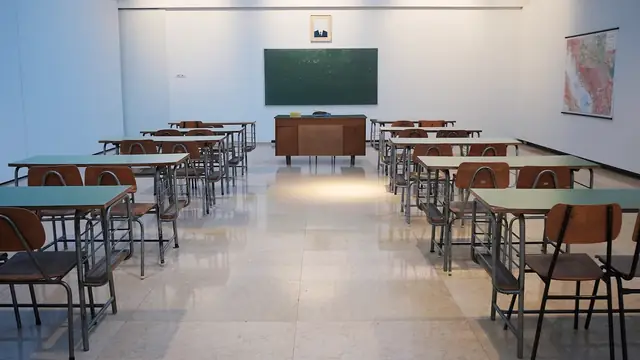 Years 7–11