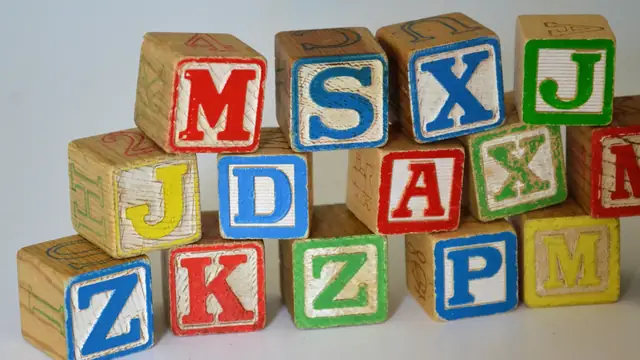
 Year 1
Years 1–3Ages 5 to 8
Years 1 to 3: building the foundations
These three years decide whether reading, writing and number feel easy or hard later. The aim is not speed. It is a child who can sound out a word, put a thought on paper, spot patterns in numbers and still enjoy school.
Photo: salvatore ventura on Unsplash
- 40 wordsread aloud in the Year 1 phonics check, in June
- Year 2teachers assess reading, writing, maths and science
- Year 3the first year of Key Stage 2
- 2, 5, 10the first times tables, usually in Year 2
What this year is for
- Year 1 is about decoding. Children learn to turn letters into sounds and blend them into words. Accuracy matters more than speed. In June the school runs a short check and the teacher tells you how it went.
- Year 2 is about fluency. Reading starts to sound like talking, and writing grows from single sentences into short pieces. Schools can choose whether to use national tests in Year 2, and they will tell you if they do.
- Year 3 is a step up. Children move into Key Stage 2: longer books, more independent work, fractions, and the 3, 4 and 8 times tables in many schools. In some areas this is also the move from an infant to a junior school.
- Number sense beats memory. Knowing number bonds, counting in steps, doubling and halving makes multiplication easier later. Tables arrive gradually over several years, so there is no need to rush ahead of the school.
What to do at home
Read together for ten minutes
Take turns: you read a page, they read a page. Talk about the pictures and ask why things happened.
Make number talk part of the day
Count steps, share snacks fairly, double a recipe. Short mental games work better than long worksheets.
Keep practice short and winnable
Five questions with a score they can beat tomorrow keeps confidence up.
Tell the teacher what you see
If reading feels hard or they avoid it, say so early. Help in Years 1 and 2 is the easiest help to give.
Practise and explore on Quizo School
- Year 1 Maths Counting, number bonds and place value, with Oak's video lessons.
- Year 1 English Words, sentences and speaking and listening.
- Year 2: multiplying by 2, doubling and halving A short unit that makes the 2 times table something children can picture.
- Year 3: unit fractions as part of a whole A ten-lesson unit on halves, thirds and quarters.
- Year 3: speech punctuation and apostrophes A five-lesson English unit for writing that is easier to read.
- The Year 1 phonics check What the check is and how to help.
Questions parents ask
My child is 6 and still reads slowly. Should I worry?
Children learn at different speeds. Ask the teacher how phonics is going. The Year 1 check is a snapshot, not a verdict, and extra help is normally offered when it is needed.
Do Year 2 children sit SATs?
Schools can choose whether to run tests in Year 2. If they do, the school will tell you. The main national tests are at the end of Year 6.
When should we start times tables?
Most schools begin with 2, 5 and 10 in Year 2. Follow the school's order at first. Knowing a table well matters more than reciting it quickly.
Was this page helpful?
Related guides
Year 1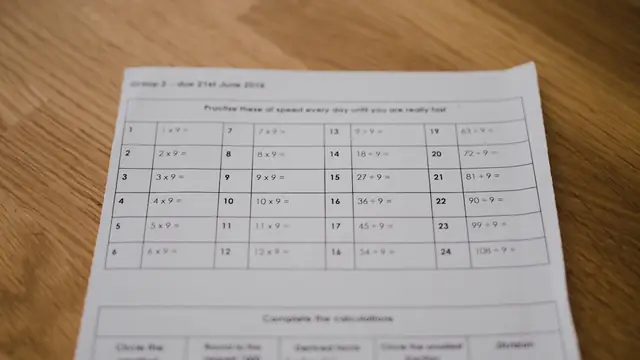 Year 4
Multiplication Tables Check
Read the guide Years R–9