 Years 3–5
Years 1–6Maths at school
How maths is taught at school: a guide for parents
If your child's homework shows a method you never learnt, you are not alone. Most of it is the maths you know, written differently and built up with pictures first. This series explains the five methods parents ask about most, each with a worked example.
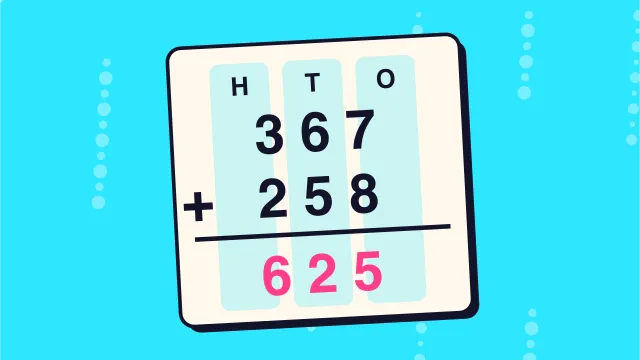
Illustration: Quizo School
- 5 methodsexplained, each with a worked example
- Year 3when the written column methods are first named
- Year 6long multiplication and long division by a 2-digit number
- 12 × 12times tables known by the end of Year 4
How it fits together
- Objects first, then pictures, then the written method. Schools usually build each method up in stages: real things such as cubes or counters, then a drawing such as a bar or a number line, then the written method. The National Curriculum asks children to use "concrete objects and pictorial representations" alongside mental and written methods.
- Column addition and subtraction: Years 3 to 5. The curriculum names columnar addition and subtraction from Year 3, with bigger numbers each year. What you may know as borrowing is now usually called exchanging.
- Multiplication: Years 4 to 6. Short multiplication in a written layout in Year 4, then long multiplication in Years 5 and 6. Many schools use the grid method on the way, although the curriculum does not name it.
- Division: Years 4 to 6. Short division, the bus stop, is in the Year 5 programme of study, and many schools introduce it in Year 4; long division by a two-digit number comes in Year 6. Remainders can be written as a whole number, a fraction or a decimal.
- Bar models and number lines run through it all. Two pictures that help children see what to calculate and work things out in their heads. Number lines appear from Year 1. The curriculum does not name bar models, so when they appear is up to the school.
How to help at home
“That's not how I learnt it”
It is the most common thing parents say about maths homework. Ask your child to show you their method and explain each step. If it works, back it up rather than replacing it: two different methods at once are what confuse children.
Ask for the school's calculation policy
Many primary schools publish one on their website, showing each method year by year. If you can't find it, ask the class teacher. It shows exactly what your child is being taught.
Ten minutes is enough
A short, regular session does more than a long one at the weekend. Each guide in this series ends with a ten-minute activity to try.
Times tables are the foundation
Quick recall of the tables makes multiplication and division far easier. It is why there is a Multiplication Tables Check in Year 4.
The guides in this series
- Column addition and subtraction Carrying, exchanging and a worked example of each.
- Grid method and long multiplication 23 × 14 worked two ways, and how they match.
- Short and long division The bus stop, long division and remainders.
- Bar models Two word problems solved with bars.
- Number lines Counting on to find a difference, and tenths on a line.
- Times tables practice Ten quick questions and a map of the facts your child knows.
Questions parents ask
Why don't schools teach maths the way I learnt it?
Most of the written methods are the ones you learnt. What has changed is the order: children see why a method works, with objects and pictures, before they practise it on paper. Some of the words have changed too.
Will showing my child my method confuse them?
It can, if it arrives in the middle of learning theirs. Wait until the school method is secure, then show yours as an extra way to check an answer.
Do all schools teach the same methods?
Not exactly. The National Curriculum sets what children should be able to do in each year and names the formal written methods. How a school builds up to them, and which pictures it uses, is up to the school.
My child learnt maths in another country. Will that be a problem?
Usually not. Their methods are often right, just laid out differently. Tell the class teacher, who can help your child connect the two. Our EAL guide has more on settling in.
Practise maths at home with Quizo School
A free profile gives your child every lesson and quiz, Years 1 to 9. Family adds Today's 10, Times tables practice and the other practice tools. New families get the Family plan free for 14 days, with no card needed.
Create a free profileWas this page helpful?
Related guides
Years 3–5 Years 1–6
Times tables practice: ten quick questions and a map of what they know
Read the guide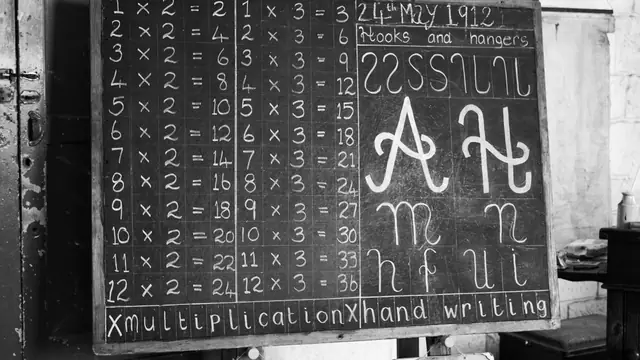 Year 4